
If your shoulders are up around your ears by 10am, you’re in good company. In the American Psychological Association’s 2023 Work in America survey, 77% of workers said they’d experienced work-related stress in the previous month, and 57% reported effects often linked with burnout, such as emotional exhaustion and a lack of motivation. Work stress is not a personal failing or a sign you can’t cope. It’s a predictable response to a job whose demands have outrun your resources, and there’s a real, evidence-based set of things you can do about it.
This guide is the practical version: what actually lowers work stress, why it works, and how to start today, whether the problem is your inbox, your calendar, your manager, or the way the whole thing follows you home.
How to manage stress at work: the short answer
Most lasting relief comes from a mix of two things: changing what you can about the job itself, and changing how your body and mind recover from it. If you only have a minute, start here.
- Name the real stressor. “Work is stressful” is too vague to act on. Is it workload, lack of control, unclear expectations, a difficult relationship, or no recovery time? Each has a different fix.
- Take real micro-breaks. Short, genuine pauses across the day measurably reduce fatigue and restore energy, even when they’re only a few minutes long.
- Protect one thing you control. Even small increases in autonomy, like deciding the order you do tasks, buffer strain. Low control plus high demand is the classic recipe for burnout.
- Detach after hours. Mentally switching off from work in the evening is one of the strongest predictors of recovery and lower exhaustion. Guard the boundary.
- Reframe the thought, not just the situation. Cognitive-behavioral techniques, like catching catastrophic “I’ll never get this done” thinking and testing it, have the strongest evidence of any single stress-management approach at work.
The rest of this guide unpacks each of these, with the science behind them and concrete steps you can use this week.
Why work feels so stressful (and why it’s not just you)
The clearest definition of job stress comes from the US National Institute for Occupational Safety and Health (NIOSH): “the harmful physical and emotional responses that occur when the requirements of the job do not match the capabilities, resources, or needs of the worker.” That mismatch is the whole story. Stress isn’t simply “too much work.” It’s the gap between what’s being asked and what you have to meet it with.
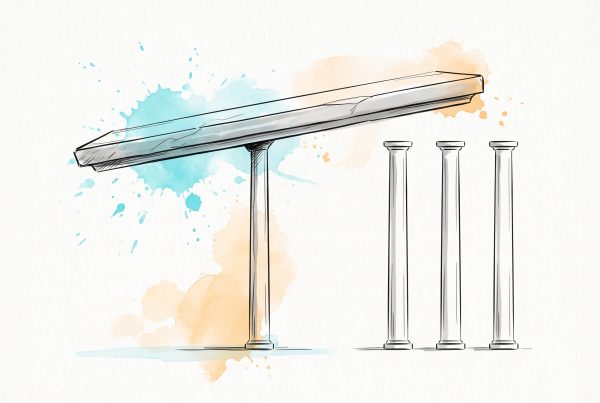
Decades of research point to one pattern again and again. In his foundational demand-control model, sociologist Robert Karasek showed that the most damaging jobs aren’t the busiest ones. They’re the ones that combine high demands with low control. A surgeon and a call-center worker may both be slammed, but the one with less say over how the work gets done carries more strain. This is why “just work harder” makes things worse: it adds demand without adding control.
Left unmanaged, chronic work stress has a name. The World Health Organization classifies burn-out as “a syndrome conceptualized as resulting from chronic workplace stress that has not been successfully managed,” marked by energy depletion, cynicism or mental distance from the job, and reduced effectiveness. Notably, the WHO calls it an occupational phenomenon, not a medical condition. It’s something the workplace does to people, not a flaw in the people. (If you’re already there, our guide to recovering from burnout goes deeper.)
Step 1: Find the actual source of your stress
You can’t fix “stress.” You can fix a specific cause. Most work stress traces back to a handful of sources, and the right response depends on which one you’re dealing with. Use this as a quick diagnostic.
| If the problem is… | It usually shows up as… | What tends to help |
|---|---|---|
| Workload / volume | Never “done,” always behind | Prioritizing, saying no, renegotiating scope |
| Lack of control | Micromanaged, no say in how | Claiming small autonomy, agreeing on outcomes not methods |
| Unclear expectations | Anxiety about whether you’re doing it right | Asking directly what “good” looks like |
| A difficult relationship | Dread before certain meetings or people | Boundaries, direct conversations, support |
| No recovery | Tired even after a weekend | Real breaks, detachment after hours, sleep |
Spend a few minutes naming yours before you reach for a technique. A breathing exercise won’t fix unclear expectations, and a calendar overhaul won’t fix a relationship that needs a conversation. Matching the fix to the cause is most of the work.
Step 2: Change what you can about the job
The most effective stress management starts upstream, with the demands and the control, not just with calming yourself after the fact.
Reclaim a little control
Because low control is so central to strain, even small gains matter. You may not choose your deadlines, but you can often choose the order you tackle things, batch similar tasks, or propose being measured on outcomes rather than on exactly how you spend each hour. When you renegotiate, frame it around results: “I can deliver X by Friday if Y waits until next week.” That’s a conversation about scope, which most managers can hear, rather than a complaint.
Prioritize ruthlessly, and let some things wait
Not everything on your list is urgent and important. Start the day by choosing the two or three things that genuinely move the needle, and protect time for them before the inbox sets your agenda. It’s not about doing more; it’s about doing the right things and consciously letting the rest wait. If prioritizing is where you get stuck, we’ve written a fuller guide to prioritizing tasks to minimize stress.
Get clear on what “good” looks like
A surprising amount of work stress is the low hum of not knowing whether you’re meeting the bar. Ambiguity is exhausting. Ask your manager directly what a great version of a task looks like, and what can be “good enough.” Clarity converts a vague dread into a finite target.
Step 3: Help your body and mind recover
You can’t always change the demands today. What you can do, every day, is recover better. This is where the most reliable individual techniques live.
Take micro-breaks that actually break
Short pauses work, and the evidence is clean. A 2022 meta-analysis in PLOS ONE (22 study samples, 2,335 people) found that micro-breaks significantly increased vigor and reduced fatigue. The catch: scrolling your phone isn’t a break for your stressed system. Stand up, look out a window, stretch, walk to get water. The point is to genuinely step away from the task, even for a few minutes. (Movement helps too; here’s why movement breaks reduce stress.)
Detach after work, on purpose
One of the strongest findings in occupational health is about your evenings, not your workday. A meta-analysis in Frontiers in Psychology (91 samples, over 38,000 employees) found that psychological detachment from work during off-hours was strongly linked to less fatigue and exhaustion and better well-being and sleep. Mentally clocking out is a skill you can build: a small end-of-day ritual, leaving work apps off your phone, an evening walk that marks the boundary. The recovery is what lets you do it again tomorrow.
Use breathing and relaxation to interrupt the spike
When stress peaks, slow breathing and progressive muscle relaxation give your nervous system a direct signal to stand down. They won’t solve a broken workload, but they’re excellent in-the-moment tools to keep a spike from becoming a spiral, before a hard meeting or after a difficult email. Progressive muscle relaxation, where you tense and release each muscle group in turn, is especially good for the physical tension work stress creates; we’ve laid it out step by step in our guide to progressive muscle relaxation, alongside a wider set of stress-relief techniques.
Step 4: Reframe the thoughts that amplify stress
Two people can face the same deadline and feel completely differently about it. A large part of work stress is built not by the situation but by the running commentary about it: “If this goes wrong, I’m finished,” “Everyone can see I’m struggling,” “I have to do all of this, perfectly, now.”
This is where cognitive-behavioral techniques shine, and the evidence is striking. A landmark meta-analysis in the Journal of Occupational Health Psychology (Richardson & Rothstein, 2008; 36 studies, 55 interventions) found that stress-management programs produced a medium-to-large overall effect, and that cognitive-behavioral interventions produced larger effects than any other type. In plain terms: changing how you interpret stressful situations outperformed relaxation alone.
The practical move is simple to learn and takes practice:
- Catch the thought. Notice the spike and the sentence underneath it.
- Test it. Is it actually true? What’s the evidence for and against? What would I tell a colleague thinking this?
- Replace it with something truer. Not fake positivity (“this is fine!”), but accuracy: “This is a tight deadline. I’ve handled tight deadlines before. I’ll do the most important part first and ask for help on the rest.”
If you want to go further, our guides to cognitive reframing and challenging automatic thoughts walk through the full method.
Where AI support fits in
One reason work stress is so persistent is timing: the moment you most need to talk something through, at 9pm replaying a meeting, or right before a hard conversation, is rarely when a coach or therapist is available. This is part of why interest in AI-based support has grown, and it’s the gap aidx.ai is built to fill: AI coaching and therapy you can reach in the moment, drawing on the same evidence-based methods above, including CBT, ACT, and other established approaches.
The honest framing matters here. AI support is a complement, not a replacement, for human relationships or professional care, and the best tools are transparent about that. Used well, it’s a way to practice reframing a stressful thought, plan a difficult conversation, or simply offload what’s looping in your head, at the hour you actually need it. For a balanced look at the trade-offs, see our comparison of AI versus traditional stress management methods.
When to take work stress more seriously
Some work stress is normal and even useful in small doses. But it’s worth paying closer attention, and often worth talking to a professional, when stress stops being situational and starts affecting your health and life broadly: persistent sleep problems, dread that doesn’t lift on weekends, physical symptoms, withdrawing from people, or relying on alcohol or other substances to cope. The WHO estimates that depression and anxiety cost the global economy around US$1 trillion a year in lost productivity, much of it preventable with earlier support. Reaching out early is a sign of good judgment, not weakness.
Frequently asked questions
What are the first signs of work stress?
Early signs are often physical and behavioral before they’re obvious emotionally: tension headaches, a tight jaw or shoulders, trouble sleeping, irritability, difficulty concentrating, and a creeping sense of dread about the day. Catching these early, and treating them as data rather than weakness, makes them much easier to address.
How do I manage stress at work when I can’t control my workload?
When you can’t reduce the demands, focus on the two levers you usually still hold: control and recovery. Claim small autonomy where you can (the order of tasks, batching, agreeing on outcomes rather than methods), and protect recovery hard, real micro-breaks during the day and genuine detachment in the evenings. Both are shown to buffer strain even when the workload itself doesn’t change. If the imbalance is severe and ongoing, it may be a sign to raise it directly with your manager or to consider whether the role is sustainable.
Can breathing exercises really reduce work stress?
Yes, for the moment. Slow breathing and progressive muscle relaxation reliably calm the body’s acute stress response, which makes them excellent for getting through a spike, such as before a presentation. They’re a tool for the symptom, not a cure for the cause, so pair them with changes to the underlying workload, control, and recovery for lasting relief.
Is it normal to feel this stressed about work?
Extremely common, yes, but common isn’t the same as fine. With more than three-quarters of workers reporting recent work stress, you are far from alone. The thing to watch is duration and spread: short-lived stress around a busy period is normal; stress that’s constant, follows you home, and affects your sleep, health, or relationships deserves real attention and, often, support.
When should I talk to someone about work stress?
Sooner than most people do. If stress is persistent, affecting your sleep or health, making you dread most days, or pushing you toward unhealthy coping, that’s the moment to talk to someone, whether a trusted person, your doctor, a therapist, or a coach. Earlier support is easier and more effective than waiting until you’re fully burned out.
Last reviewed: June 2026. This article is for general information and education and is not a substitute for professional medical or mental-health advice. If work stress is seriously affecting your health, please speak with a qualified professional. If you are in crisis or thinking about harming yourself, contact your local emergency services or a crisis line right away, in the US, call or text 988 for the Suicide and Crisis Lifeline.