
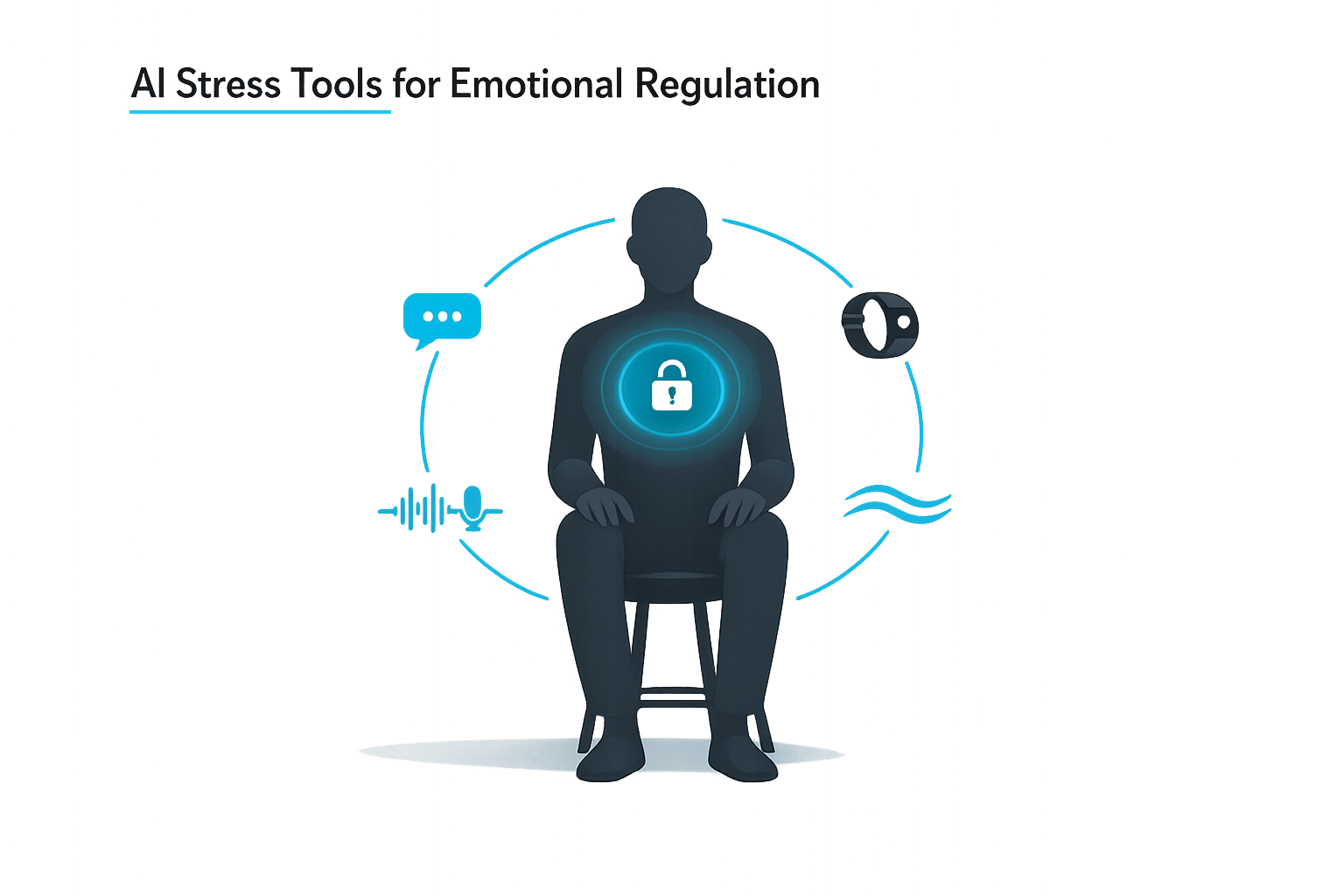
AI tools are transforming how we manage stress, making emotional support more accessible and effective. These tools use proven therapeutic methods like CBT and DBT, wearable technology, meditation apps, and voice analysis to help users reduce stress, improve focus, and prevent burnout. They’re designed to complement – not replace – traditional therapy, offering 24/7 personalized support at a fraction of the cost.
Key Takeaways:
- AI Coaching Platforms: Tools like Aidx.ai provide structured guidance, track stress levels, and offer actionable steps to achieve goals. Plans range from free to $29.99/month.
- Wearable Devices: Track stress in real-time using metrics like HRV and GSR, syncing with AI platforms for tailored interventions.
- Meditation Apps: Real-time customization of relaxation techniques based on emotional input, resulting in a 47% reduction in perceived stress.
- Voice Analysis Tools: Detect stress through speech patterns, offering immediate support and long-term insights.
Quick Comparison
| Tool Type | Key Function | Price |
|---|---|---|
| AI Coaching (Aidx.ai) | Stress tracking, CBT/DBT guidance | Free / $29.99/month |
| Wearables | Real-time stress monitoring | Varies by device |
| Meditation Apps | Personalized relaxation sessions | Subscription-based |
| Voice Analysis | Emotional state detection via speech | Varies by platform |
AI stress tools are reshaping emotional regulation by offering practical, affordable, and immediate solutions for both individuals and businesses. Choose based on your needs – whether it’s quick stress relief, long-term resilience, or workplace support.
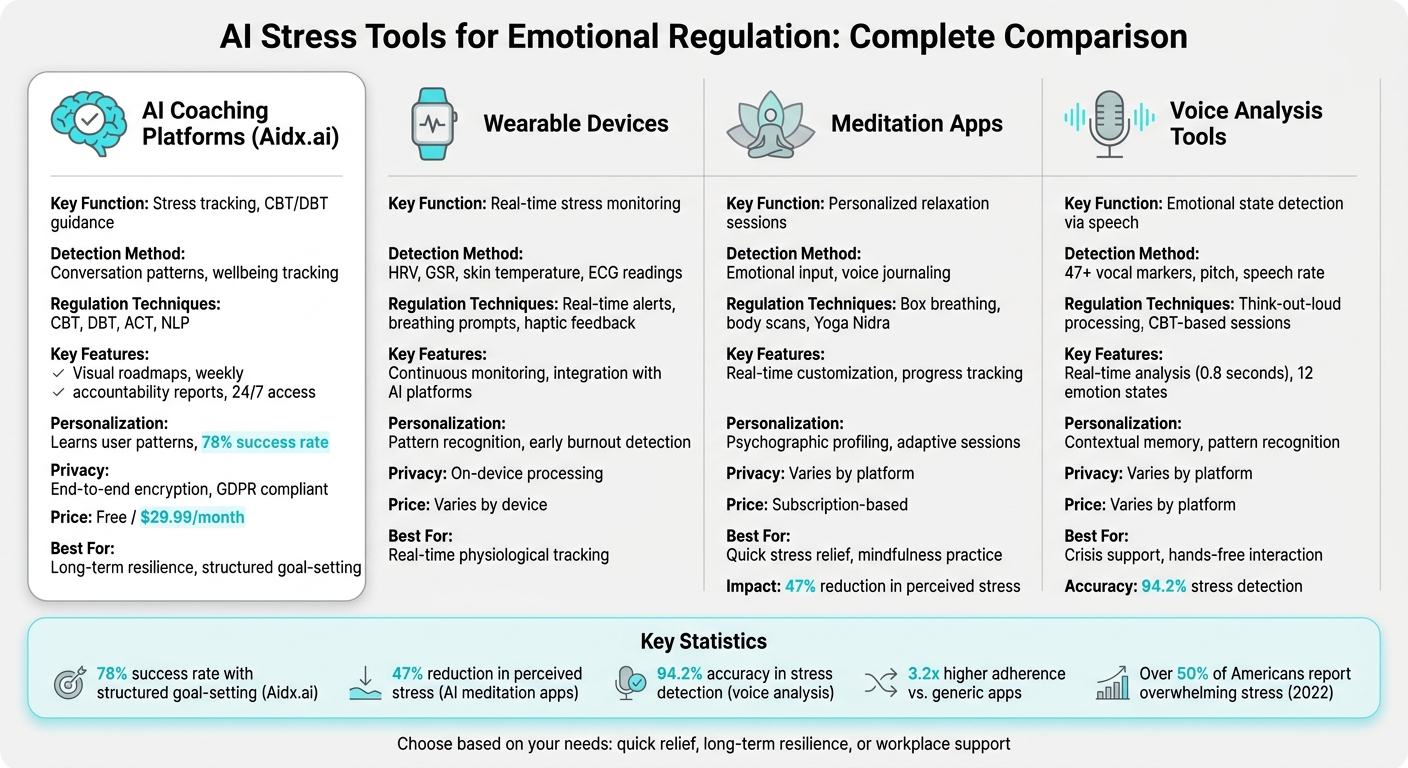
AI Stress Management Tools Comparison: Features, Methods, and Pricing
The Future of Stress Management: AI-Powered Tools and Techniques
sbb-itb-d5e73b4
Aidx.ai: AI Coaching for Stress Management
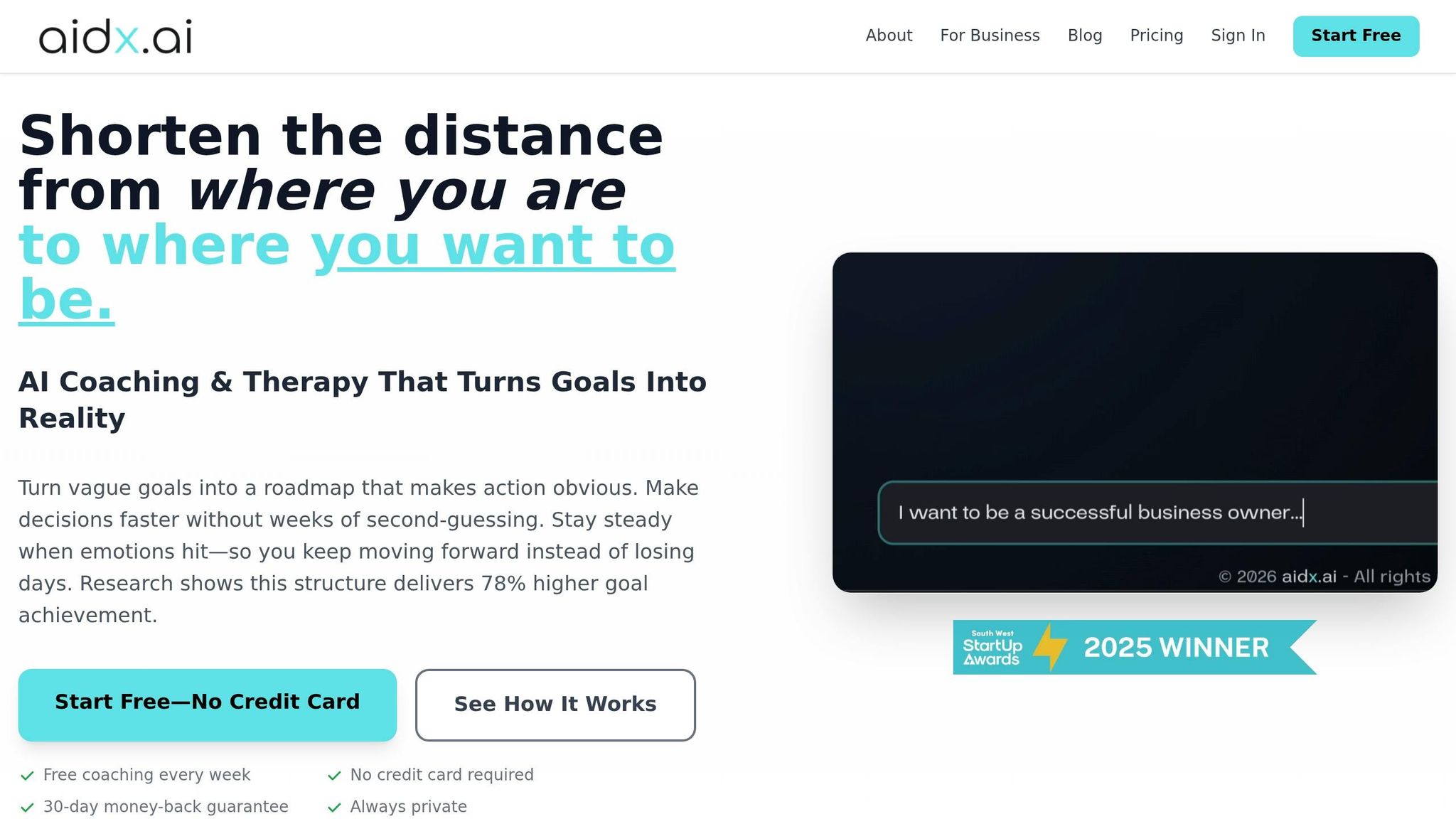
Aidx.ai is a specialized coaching platform designed to tackle stress by blending evidence-based therapies like CBT, DBT, ACT, and NLP with structured goal-setting. The platform was created by MBR therapist Natalia Komis, who has over 15 years of experience, and cybersecurity expert Nicklas Wolff, who brings 20 years of expertise. Both were recognized as part of the South West 42 under 42 by Insider Media in 2025.
The platform turns vague goals into actionable, trackable steps using visual roadmaps and weekly accountability reports – a method shown to increase success rates to 78% [3]. This structured process is at the heart of Aidx.ai, shaping its user-friendly and effective design.
Over time, the AI learns your habits, picking up on early signs of burnout and providing tailored challenges to help you stay on track. Users like mobility coach Hali Holeszowski and trader Sarid Harper have praised Aidx.ai for its natural, human-like interactions and its ability to quickly address mental hurdles.
Key Features of Aidx.ai
Aidx.ai is accessible 24/7 via text and voice, offering dedicated modes for life, business, performance coaching, and therapy. Its standout features include:
- Roadmap: Breaks down overwhelming goals into manageable, trackable steps.
- Accountability System: Allows you to add a friend or family member to receive automated progress updates every Monday.
- Insights Engine: Tracks conversations to monitor stress levels, burnout risks, and emotional wellbeing, flagging potential problems early.
- Incognito Mode: Ensures sensitive conversations leave no trace, coupled with a lock screen feature for added privacy.
Psychologist and business owner Vera Martins noted the platform’s ability to deliver practical and natural guidance, making it a valuable tool for users.
| Plan | Price | Key Features |
|---|---|---|
| Starter | Free | Weekly coaching sessions, roadmap, accountability reports, stress tracking, incognito mode, voice chat |
| Monthly | $29.99/month | Unlimited 24/7 chat, business/performance coaching, online search support, 30-day money-back guarantee |
| Yearly | $24/month (billed annually at $288) | Includes all Monthly plan features with $72 annual savings |
Benefits for Individuals and Businesses
For individuals, Aidx.ai offers quick emotional processing, helping users make decisions faster and avoid being overwhelmed. Whether you’re aiming for personal growth, better emotional control, or burnout prevention, the platform provides a solid foundation.
Businesses, on the other hand, can use Aidx.ai to provide accessible, high-quality coaching for employees without the steep costs of traditional methods. It’s a scalable solution that tracks progress automatically and delivers measurable results. Coaching professionals and agencies also use Aidx.ai to expand their offerings with AI-driven support while maintaining therapeutic standards.
Privacy and Security
Aidx.ai doesn’t just focus on effective coaching – it also prioritizes user privacy. Conversations are end-to-end encrypted, ensuring they remain confidential and inaccessible to human readers. Data is never sold or shared, and users can delete their information at any time. The platform is fully GDPR compliant, with robust security measures designed by a cybersecurity expert with two decades of experience. Robert Hartley has highlighted the platform’s strong focus on privacy, emphasizing how essential such safeguards are when dealing with sensitive information.
AI-Powered Wearables for Stress Monitoring
Wearable devices have taken stress tracking to a whole new level, using advanced sensors and AI to provide real-time insights into how your body responds to daily stressors. From smartwatches to specialized stress trackers, these tools offer a window into your nervous system’s activity.
How Wearables Track Stress
At the heart of stress monitoring is Heart Rate Variability (HRV). This metric captures the tiny variations in time between heartbeats. A higher HRV generally reflects a calm, balanced state, while a lower HRV can indicate stress or nervous system strain [7][8]. Devices like Lief and Apollo rely on HRV as a clinically validated indicator of stress, offering real-time tracking that’s backed by science.
But HRV is just the beginning. Modern wearables combine it with other data points for a more comprehensive picture:
- Galvanic Skin Response (GSR): Measures sweat gland activity to detect emotional arousal.
- Skin Temperature: Tracks fluctuations that may signal acute stress.
- ECG Readings: Monitors cardiovascular changes tied to stress pathways.
- Sweat Cortisol Levels: Some devices even analyze this molecular marker, which correlates closely with blood cortisol levels [5].
"Lief measures your heart and breath to track your stress levels in real-time, using a clinically-proven biomarker of stress called heart rate variability (HRV)." – Lief Therapeutics [7]
AI makes these wearables even smarter. By using machine learning, devices can filter out noise from factors like physical activity, ensuring they pinpoint genuine stress. With over half of Americans reporting overwhelming stress in 2022, this kind of precision is more essential than ever [5]. The result? A system capable of not just detecting stress but paving the way for tailored interventions.
Integrating Wearables with AI Platforms
The true potential of wearables emerges when they’re paired with AI platforms. Syncing wearable data with tools like Aidx.ai via ecosystems such as Apple HealthKit creates a seamless feedback loop. Here’s how it works: the wearable flags rising stress – like a drop in HRV or a spike in GSR – and the AI platform steps in with personalized suggestions. These might include guided breathing exercises, Acceptance and Commitment Therapy (ACT) techniques, or even a gentle vibration reminder to take a break [7][10].
This integration doesn’t just address stress in the moment; it also helps prevent burnout. By analyzing patterns over time, AI algorithms can identify early warning signs of emotional overload and prompt proactive interventions [4][10]. For example, the Apollo wearable uses "SmartVibes", AI-driven haptic feedback designed to train your nervous system to stay calm under pressure. Studies suggest that wearing such devices for at least 3 hours a day, 5 days a week, can improve sleep and stress resilience in as little as 21 to 30 days [6].
Privacy is another critical aspect of these systems. Many wearables now process data directly on the device, keeping sensitive health information on your wrist or phone rather than sending it to cloud servers [9]. This aligns with Aidx.ai’s approach to encrypted, private interactions, creating a secure and effective ecosystem for stress management where your data stays in your control.
AI Meditation and Relaxation Apps
AI-powered meditation apps bring a fresh approach to stress relief by creating relaxation sessions tailored to your emotional state in real time, similar to personalized AI therapy and coaching. Unlike traditional apps with pre-recorded content, these tools adapt dynamically to what you’re feeling in the moment [12][13].
Personalized Meditation Strategies
What sets these apps apart is their ability to analyze your specific situation. When you use an app like Nima or StillMind, you can share exactly how you’re feeling – maybe it’s "nervous before a big meeting" or experiencing "tightness in your chest." The AI processes this input, identifying the nature of your stress, whether it’s mental overwhelm, physical discomfort, or anticipatory anxiety. Based on this analysis, the app selects techniques like box breathing, body scans, or Yoga Nidra to address your needs [13][15].
"Nima is a personal agent. It listens to you first, then generates a unique, one-of-a-kind session just for your current state of mind." – Nima AI [12]
This level of personalization delivers measurable results. Users of AI-driven meditation apps have reported a 47% drop in perceived stress [11]. Beyond immediate relief, these apps build on psychographic profiling, ensuring that each session connects with past experiences. This creates a sense of continuity, transforming meditation into an ongoing journey rather than isolated practices [12]. For instance, KiFlow uses somatic mindfulness techniques to uncover deeper stress triggers, such as perfectionism, and helps users develop resilience in just 12-minute sessions [14].
These tailored approaches also set the stage for effective progress tracking.
Gamification and Progress Tracking
To boost engagement, AI meditation apps incorporate interactive features that go beyond the standard streak counters. Traditional streak systems can sometimes create feelings of guilt when you miss a day, but these AI tools focus on "compassionate momentum tracking." They celebrate consistency and progress without penalizing lapses [13].
Instead of merely counting minutes, these apps analyze shifts in your emotional and nervous system patterns, offering insights into your mental growth over time [12][14]. The results speak for themselves: personalized interventions have been shown to increase adherence by 3.2 times compared to generic meditation apps [11].
Additional features like voice journaling let you capture thoughts and reflections during sessions. The AI transcribes these insights to fine-tune future practices [13]. For those seeking a sense of connection, optional social features allow you to share milestones and receive encouragement from others without adding competitive pressure [13].
These innovations make AI meditation apps a powerful tool for both immediate stress relief and long-term emotional growth.
Voice and Emotion Analysis Tools for Real-Time Stress Detection
Voice-based AI tools are changing how stress is identified and managed. Instead of relying on self-reports or manual check-ins, these systems use the acoustic qualities of your speech to reveal underlying emotional states. Alex R., a junior designer, shared their experience:
"Stella checked in on me Thursday and I didn’t even realize I was off. Turns out I’d been anxious all day and just pushing through it. How did it know before I did?" [17]
This method combines the nuanced nature of human emotion with the precision of machine analysis.
How AI Analyzes Voice for Stress Indicators
These tools focus on specific vocal traits that shift under stress. AI models monitor elements like pitch, speech rate, cognitive load, and irregularities in vocal frequency to create a real-time map of your emotional state [16]. For instance, Woys.ai evaluates over 47 unique vocal markers, achieving a 94.2% accuracy rate in detecting stress. It processes voice data in less than 0.8 seconds and updates at 60 frames per second [16]. Some advanced systems can even identify 12 distinct emotional states – ranging from mild tension to severe distress – thanks to training on thousands of hours of speech data in over 70 languages. This enables them to spot mismatches between what’s being said and the actual emotional tone [16].
Applications of Voice Stress Detection
With their precise vocal analysis, these tools provide practical solutions for managing stress in real-time. During high-pressure situations, voice-first interfaces let users "think out loud", while the AI organizes those thoughts into actionable insights. Chris K. shared a personal moment:
"During a panic attack in my car, when typing was impossible, I simply spoke – and Stella responded naturally" [17]
These voice-based systems are part of a larger ecosystem designed to help regulate emotions as they arise. In therapeutic settings, platforms like Paula and Feelway use voice sessions to explore stress through frameworks inspired by cognitive behavioral therapy (CBT). Paula, for example, offers a Premium plan with unlimited 20-minute voice sessions for $29.99 per month, while the Plus tier includes one 5-minute session per week [1]. These tools maintain a "memory", recalling triggers and patterns from past conversations. Sarah K. highlighted this feature:
"I was on a six-month waitlist to see someone. Paula got me through those months. She remembered everything about my situation, which honestly surprised me" [1]
Thanks to this contextual awareness, users don’t have to repeat their history every time, as the AI recognizes and adapts to familiar stress patterns.
Comparison Table: Key Features Across AI Stress Tools
This feature table offers a clear look at how Aidx.ai stands out in stress management by combining innovative methods and a strong focus on privacy.
AI tools tackle stress in different ways, from passive monitoring to structured therapy and real-time interventions. Aidx.ai takes an evidence-driven approach, blending monitored cues with structured cognitive techniques. Privacy is a top priority: Aidx.ai uses robust encryption, complies with GDPR, and allows users to delete their data whenever they choose.
Feature Comparison Table
| Tool | Stress Detection Method | Regulation Techniques | Key Personalization | Price (Monthly) |
|---|---|---|---|---|
| Aidx.ai | Conversation patterns, wellbeing tracking | CBT, DBT, ACT, NLP | Learns user patterns, visual roadmaps, weekly accountability reports | Free / $29.99 |
Aidx.ai’s combination of evidence-based methods, goal tracking, and weekly accountability reports has been shown to improve achievement rates by 78% [3]. This snapshot highlights how thoughtful, research-backed AI tools can effectively support emotional well-being.
Conclusion: Choosing the Right AI Stress Tool
Finding the right AI stress tool means identifying one that aligns with your personal needs. Some tools focus on quick stress relief, while others, like Aidx.ai, aim to build long-term resilience using evidence-based methods. If you’re experiencing mild-to-moderate stress and want focused support, seek out platforms that incorporate approaches like Cognitive Behavioral Therapy (CBT), Dialectical Behavior Therapy (DBT), or Acceptance and Commitment Therapy (ACT).
Data privacy should also be a top priority. The best tools offer features like end-to-end encryption, GDPR compliance, and options for user-controlled data deletion. For example, Aidx.ai ensures your conversations stay private and gives you the ability to delete your data whenever you choose. For organizations, clear and ethical data policies build trust with employees and help avoid concerns about over-surveillance. This focus on security complements the personalized care these tools provide, helping users achieve both immediate stress relief and long-term emotional balance.
"AI for stress management is reshaping how we detect, understand, and respond to daily tension… it can become your personalized calm coach, offering data-driven ways to relax before burnout hits." – Sarah Johnson, MD, Psychiatrist [2]
Personalization is key to better outcomes. Research shows that tailored AI interventions can significantly reduce stress [2]. To ensure the tool works for you, try using it daily for a week and assess whether its feedback aligns with your real-life needs. Additionally, confirm that the platform relies on peer-reviewed research or has clinical validation, such as FDA designations.
FAQs
Which AI stress tool type fits me best?
When choosing the best AI stress tool, it all comes down to what works for you. Do you lean toward somatic techniques that focus on the body? Or maybe you’d benefit from personalized memory-based support tailored to your experiences. Some people prefer all-in-one mental health tools, while others like the convenience of voice interactions. If a softer touch suits you, gentle therapeutic guidance might be the way to go. Each option offers specific ways to help manage stress and emotions – pick the one that fits your needs and style best.
How accurate are wearables and voice tools for stress detection?
Wearables and voice tools are making strides in detecting stress, but their reliability often depends on the technology behind them. Wearables track stress by monitoring physiological signals such as heart rate variability and skin conductance. On the other hand, voice tools focus on analyzing speech patterns and tone to gauge stress levels. While these technologies are becoming more accurate, challenges like background noise and individual differences can impact their effectiveness. Because of this, they work best when combined with other strategies for managing stress.
What should I check to keep my stress data private?
To keep your stress data secure, look for platforms that use encryption, don’t sell or share your information, and give you the option to delete your conversations whenever you want. Choose services that are upfront about their privacy policies and follow regulations like GDPR.